Beyond the Barn
There’s a moment on every horse girl’s journey when the world reminds her that she’s still wired for adventure—even if the “wild” isn’t on horseback.
As we get older and that final horse becomes a memory, many of us opt to leave the barn empty. Owning a horse is a commitment measured in years, early mornings, veterinary bills—and a piece of your heart you already know will one day break.
But aging horse girls don’t give up. We ride rentals.
We find horses on beaches, mountain trails, islands, and ranches far from home. None of them is our horse, and each one feels different beneath us.
Some are steady. Some are opinionated. Each one asks us to listen, adapt, and discover something about the rider we’ve become.
They don’t replace the horses we loved. Each one adds a new name, a new story, and another set of hoofprints to the herd we carry with us.
Sometimes the adventure doesn’t involve a horse. But the lessons from the herd stay with us long after we’ve closed the barn door.
Harnessed for Adventure
Every good trail ride begins before anyone gets in the saddle.
You check the tack, secure anything that might come loose, listen to the person who knows the trail, and make certain everyone is properly equipped for what lies ahead.
The Wild Africa Trek began much the same way.
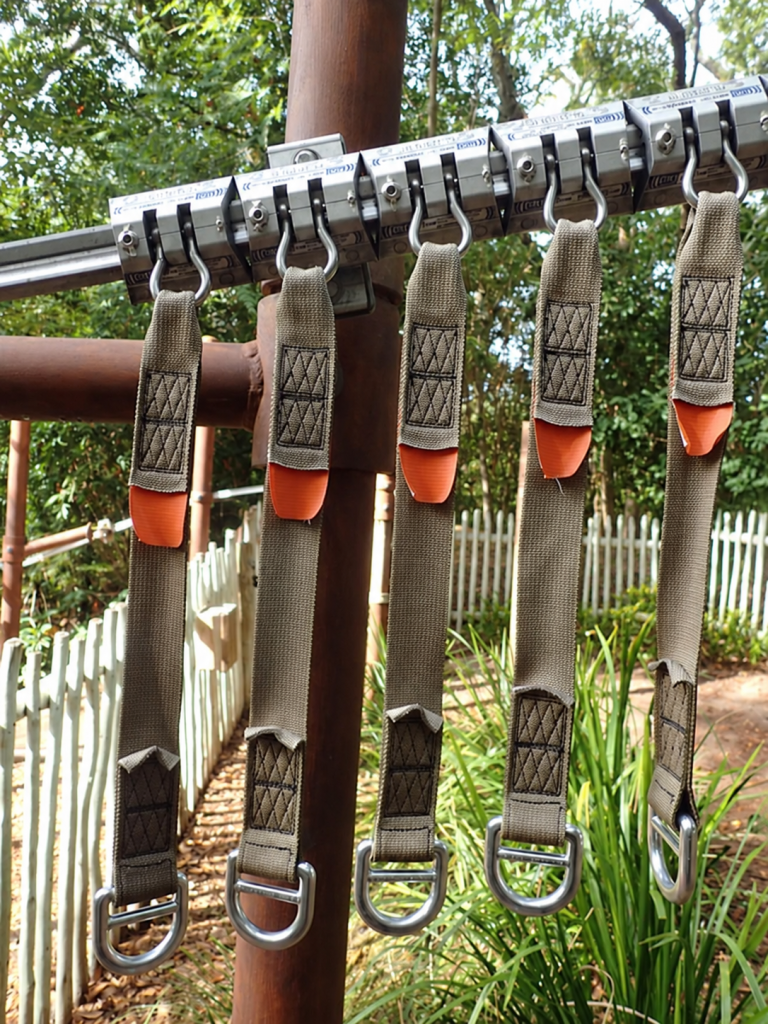
We were fitted with safety vests and harnesses, and everything we carried had to be secured. Whenever the trail brought us near an unsecured edge or onto one of the bridges, we clipped into a safety line.
That reassuring little click said: “You’re safe…but don’t lean too far.”
I’m adventurous. I am not careless.
Horse girls know the difference—and they rely on dependable equipment.
Into the Woods
We started with a short, wooded hike, the kind that feels deceptively calm until you realize you’re walking toward a hippo watering hole.
Almost immediately, the experience felt different from an ordinary visit to Disney World’s Animal Kingdom. We weren’t watching the landscape pass from a vehicle. We were walking through it, listening to the guides and slowing down long enough to observe the animals rather than merely identify them.
There is something humbling about standing near a hippo.
They don’t need to perform.
They simply occupy the landscape with the quiet confidence of an animal that knows nobody is going to ask it to step aside.
At the Watering Hole
At the elevated overlook, we clipped our harnesses onto the safety system before approaching the edge.
Being tethered allowed us to lean out far enough for an unobstructed view while still feeling secure. Suspended above the water, we watched these massive creatures move with surprising grace.
It was the kind of view you can’t get from a safari truck—the kind that makes you forget you’re not somewhere deep in Kenya.
The hippos looked prehistoric and unbothered. This is their home, and we were visitors on their terms.
One opened its mouth wide enough to provide a complete dental tour.
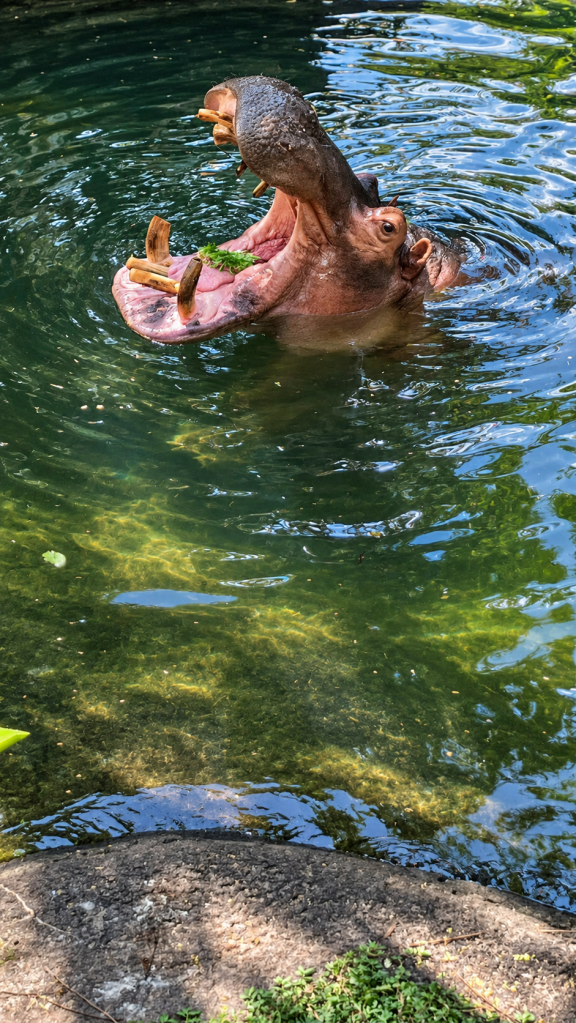
Wild animals have personalities. Some are dignified. Some are curious.
The hippo definitely had opinions.
Speaking Equus in the Wild
Years around horses teaches you that animals are always communicating.
An ear turns. A head lifts. Weight shifts. The smallest movement can tell you whether an animal is curious, relaxed, wary—or preparing to leave the conversation altogether.
Horses taught me to listen with my eyes.
As we approached the viewing area, I quietly wondered whether any of the other animals might recognize some version of that same language.
Direct eye contact, squared shoulders, and forward energy can resemble a predator’s approach. So instead, I lowered my eyes, softened my posture, turned one shoulder, and kept my hands closed and quiet—reducing the pressure and leaving the invitation open.
The first experiment involved a hippo.
From the tethered viewing area, I changed my posture and waited.
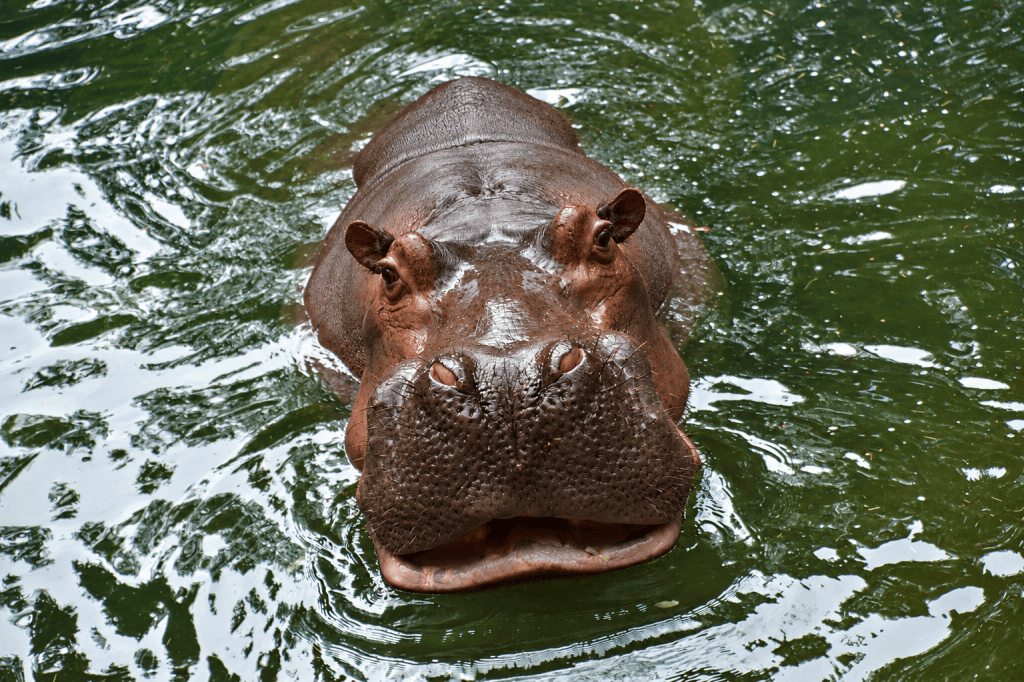
The hippo eventually walked over and stopped directly beneath where I was standing.
Perhaps it was coincidence. Perhaps it expected a feeding.
Either way, it created an extraordinary encounter—and a wonderful photograph.
The Floating Bridge
From a distance, the floating bridge looked scenic.
From the first wooden plank, it looked considerably more adventurous.
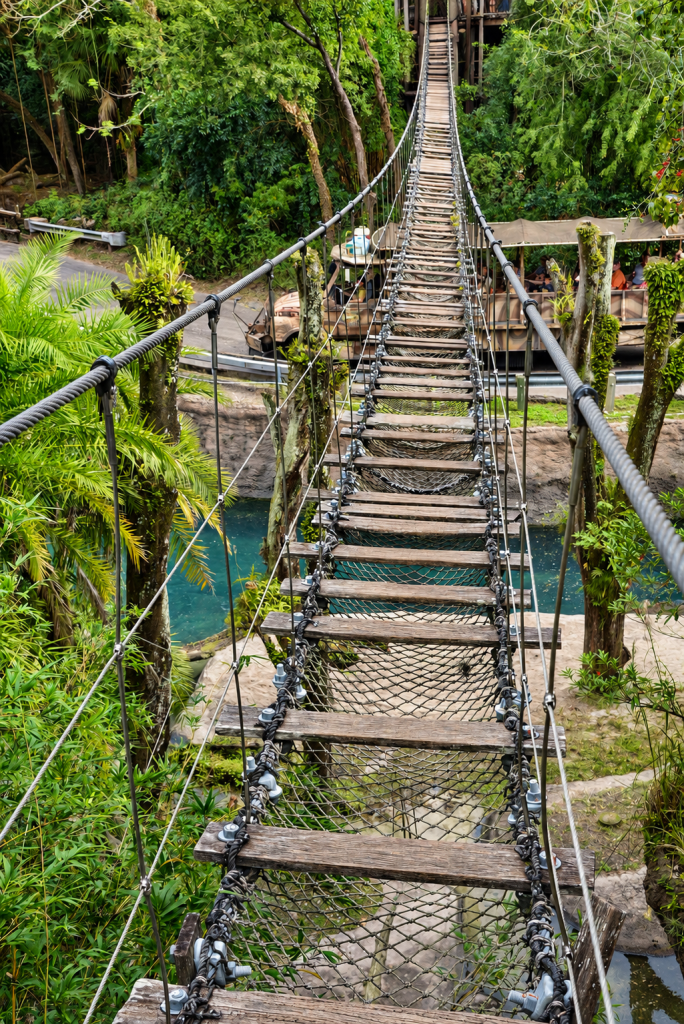
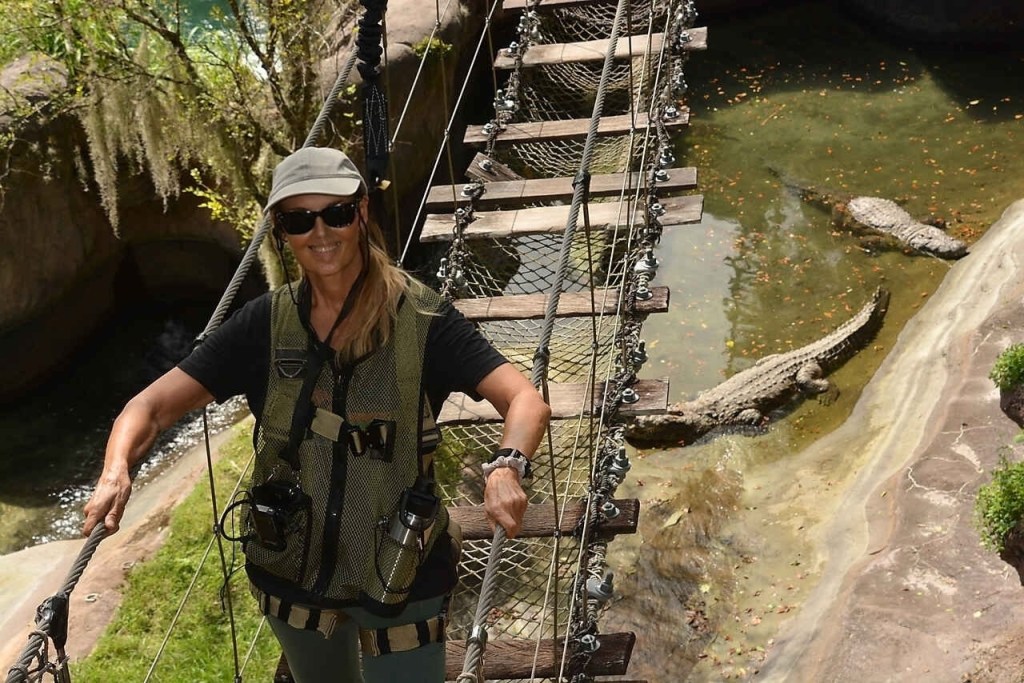
One by one, we crossed, clipped securely to an overhead safety cable and suspended over the gorge as though we were auditioning for a National Geographic special.
The bridge swayed with every movement. The open spaces between the planks provided excellent views of the crocodiles below.
A floating bridge is not entirely unlike riding an unfamiliar horse. The footing shifts. You become very aware of your balance. And staring anxiously at the ground beneath you rarely improves the situation.
So I held the ropes, trusted the harness, and continued forward one plank at a time.
Horse girls understand this negotiation: Respect what is beneath you.
Trust the equipment. Keep your balance. Don’t create unnecessary drama.
The bridge swayed. I kept moving.
It was exhilarating, surreal—and oddly peaceful.
Beyond the Usual Safari Route
The back-lane safari drive came next.
We rolled through areas the standard vehicles never touch, slipping behind the scenes and into quiet corners where the animals wandered without an audience.
The guides shared information while the animals grazed, rested, and occasionally moved close enough to inspect the intruders.
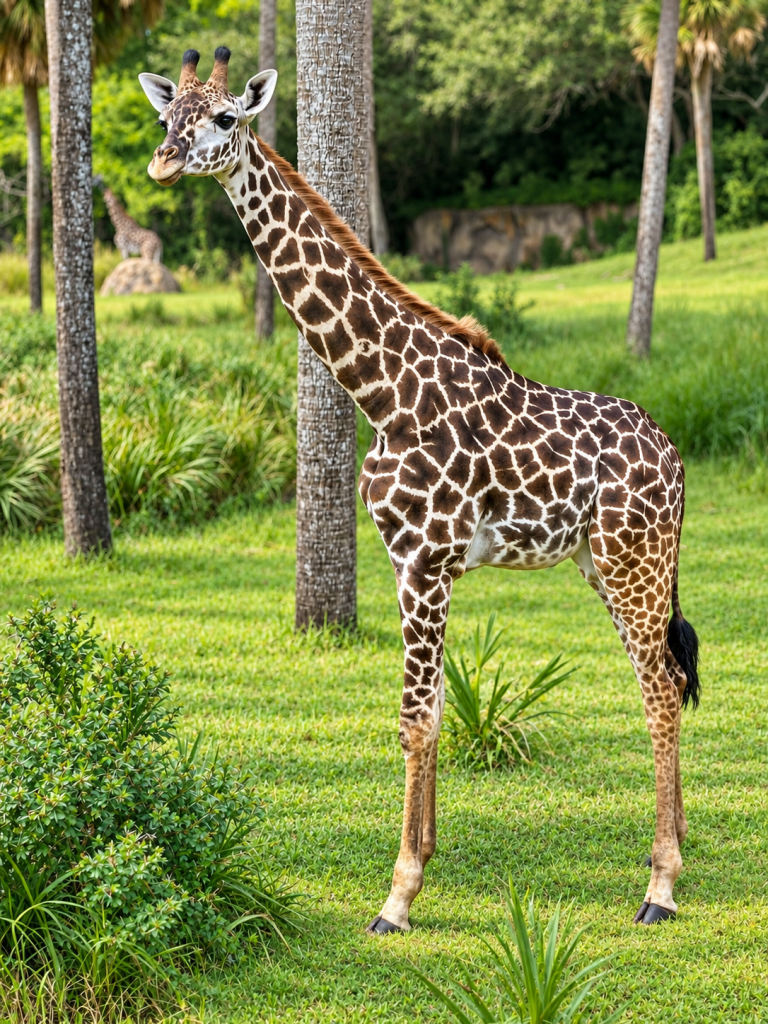
Several giraffes were gathered near a tree as our vehicle approached. I was seated beside the open window, so I quietly tried my experiment again.
I removed my sunglasses, lowered my eyes, and tipped one shoulder toward a young giraffe.
It left the others and walked directly toward the vehicle without hesitation. It stopped only a few feet away and stared straight into my camera lens.
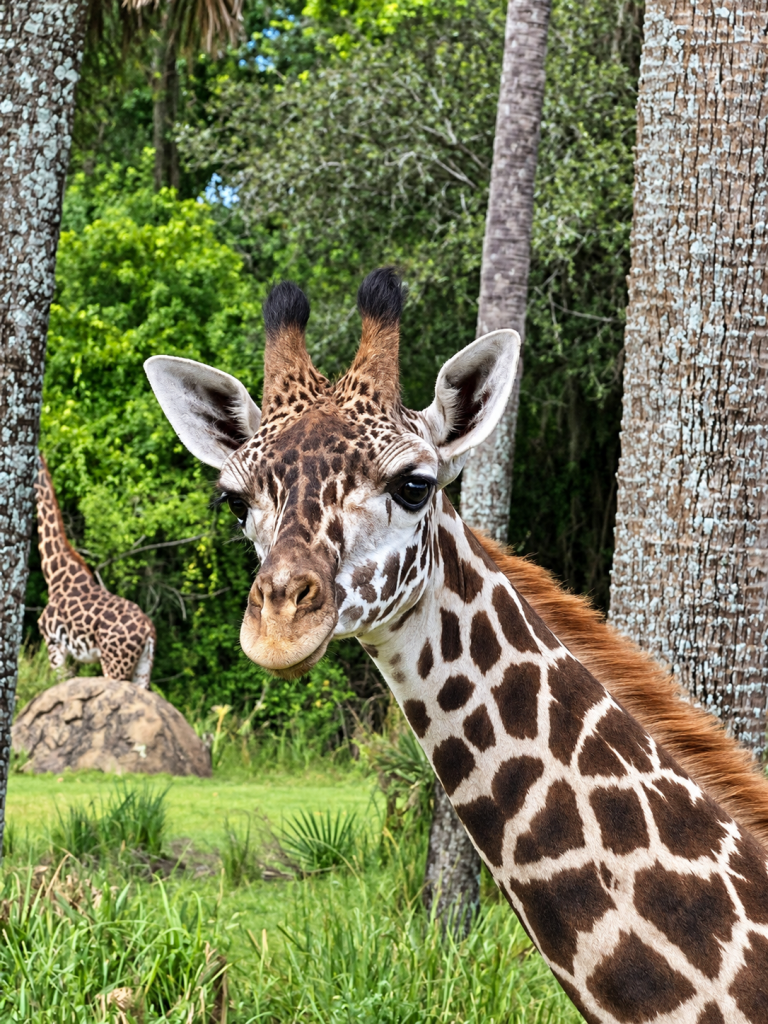
Again, it may have been entirely coincidental. Wild animals make their own decisions, and I would never claim to speak fluent giraffe—or conversational hippo.
But horse girls recognize the moment when an animal chooses to close the distance.
For a few seconds, the savanna grew very quiet. The language of Equus seemed far more universal in the moment.
The Ankole cattle were equally impressive. With enormous sweeping horns and an air of complete serenity, they looked like living sculptures placed deliberately against the landscape.
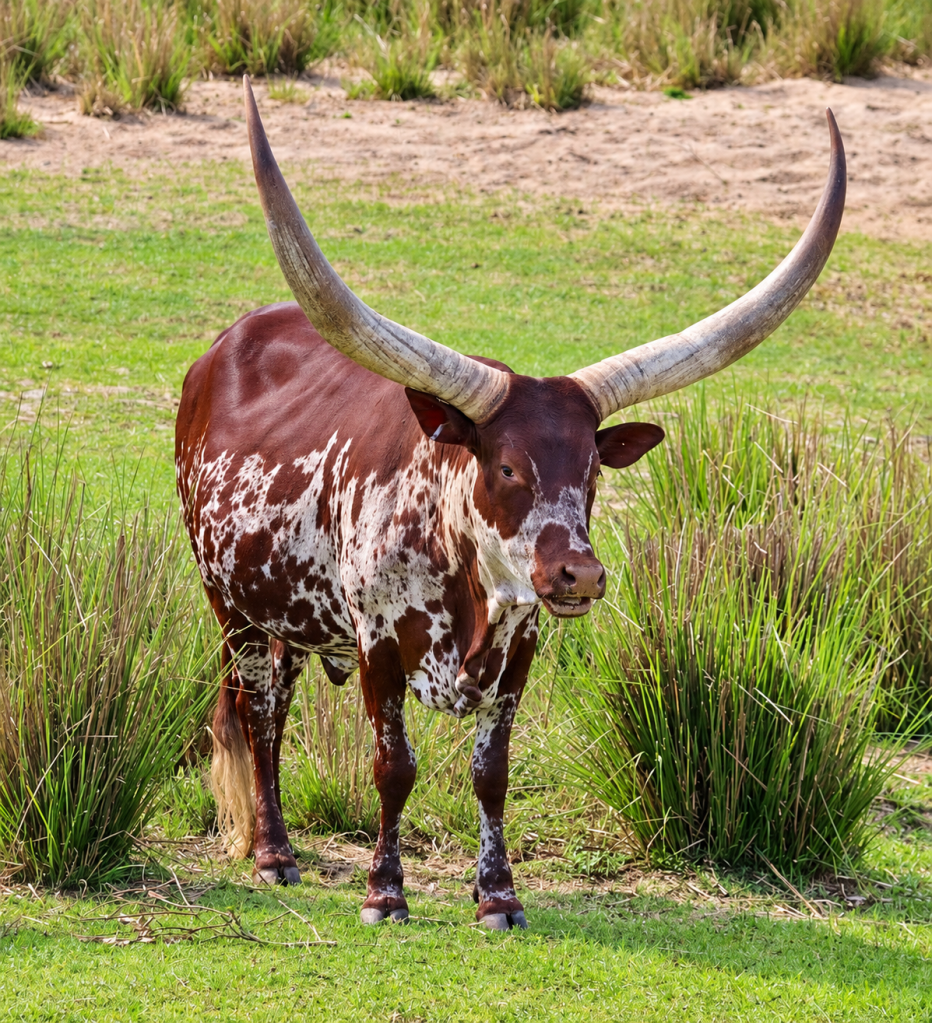
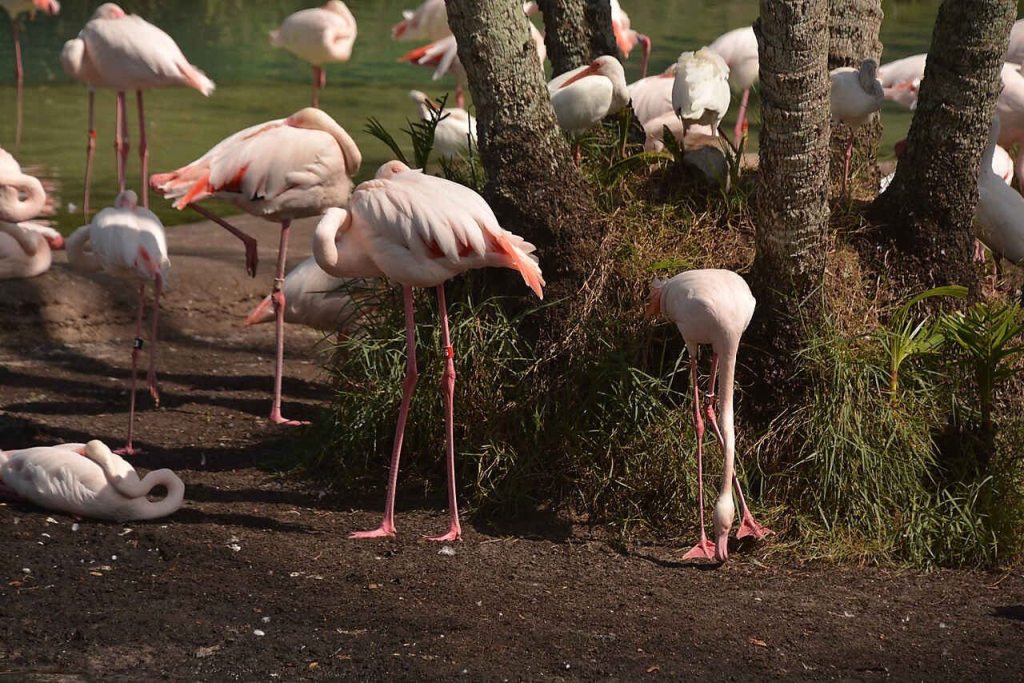
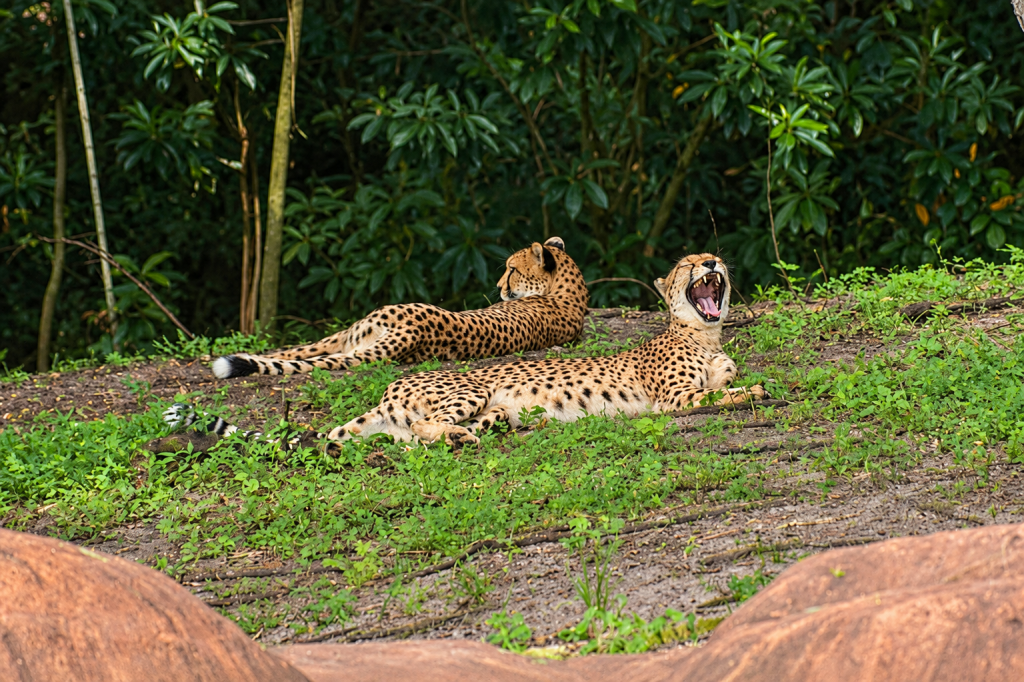
Giraffes strolled like runway models. Elephants threw shade. A crocodile stretched in the sun, and a flamboyance of flamingos posed at the water’s edge.. the savanna quietly spoke. We listened.
Lunch on the Savanna
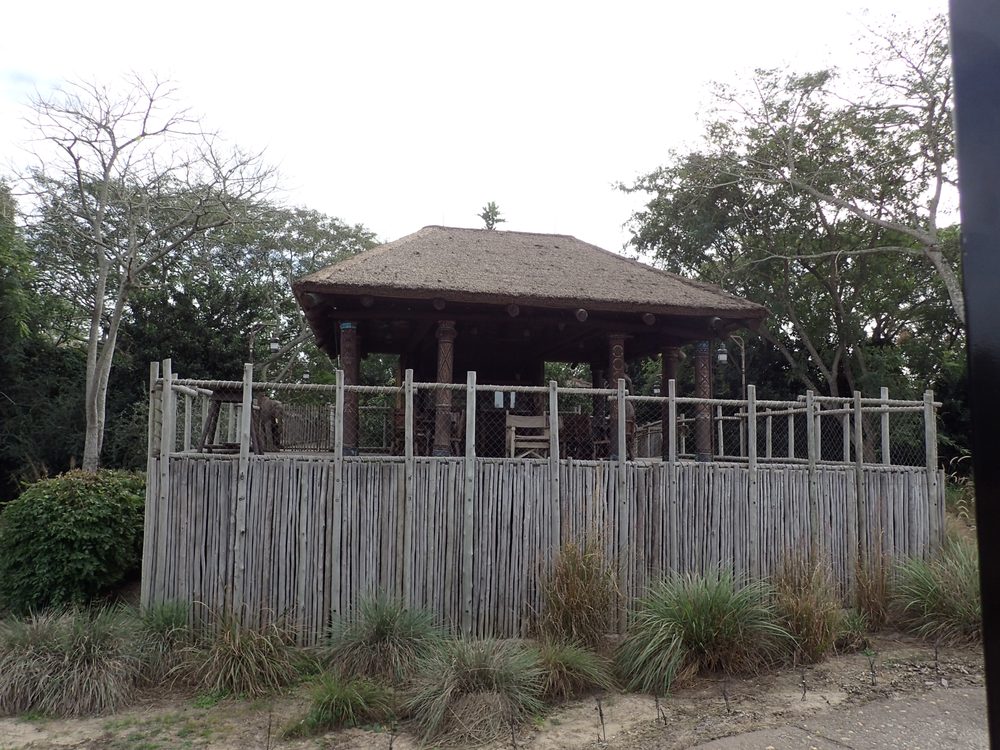
Lunch was held at a custom-built safari camp located at the highest point in the savanna.
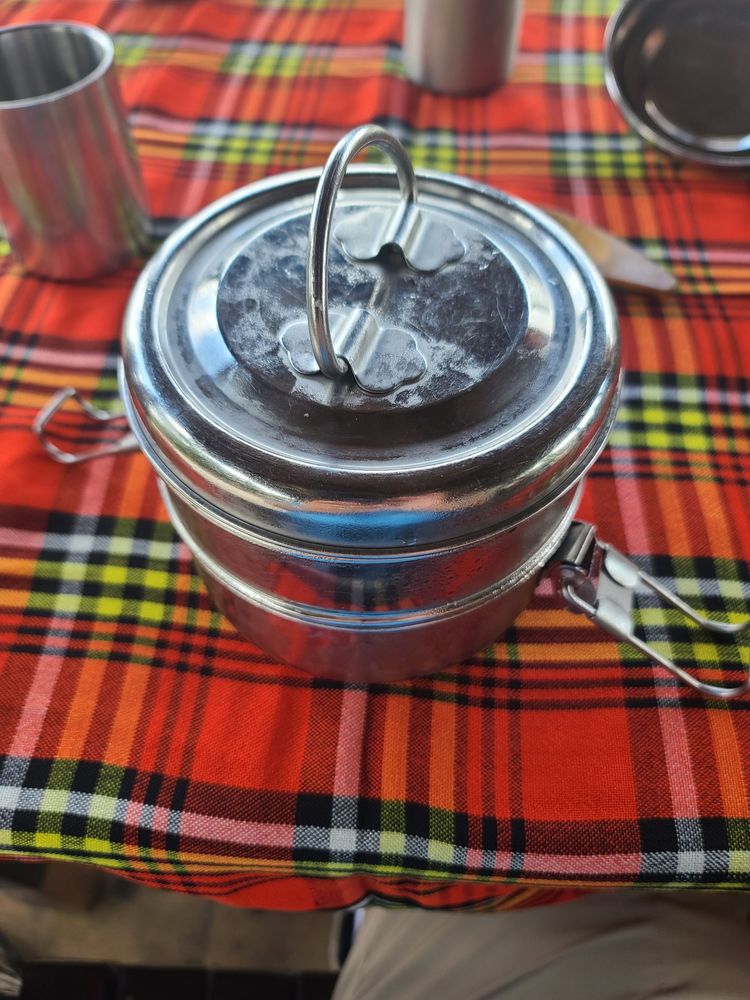
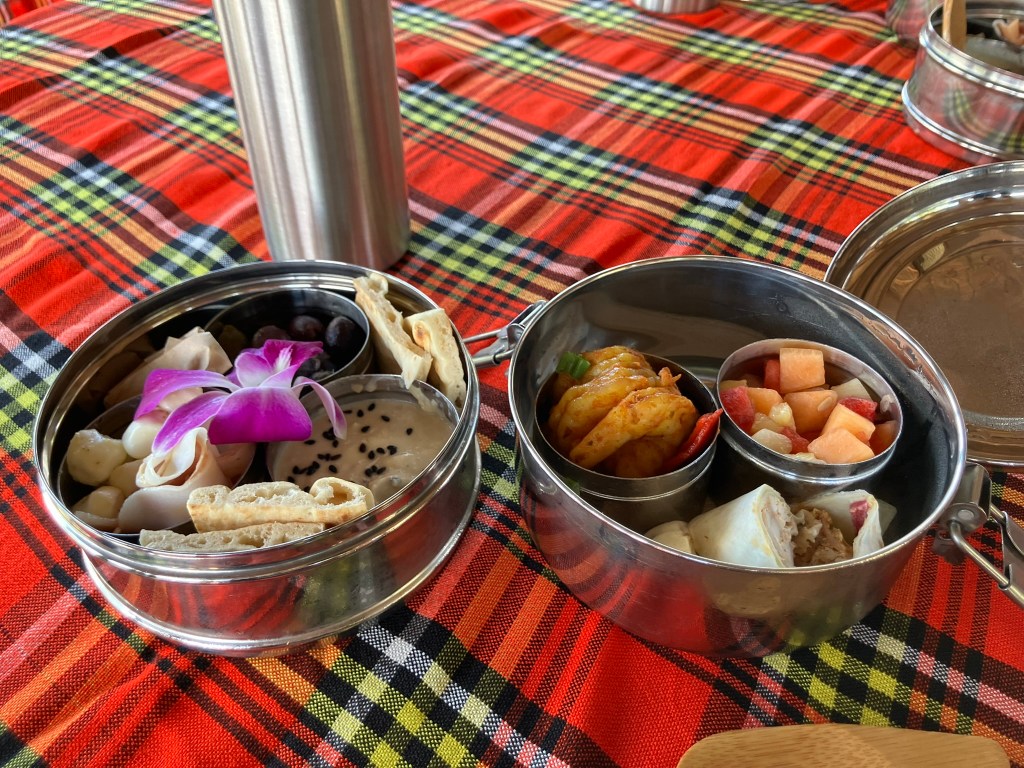
Lunch arrived in stacked metal tiffin containers. Opening each layer felt like discovering another course: colorful fruit, shrimp, a chicken wrap, spreads, vegetables, and several small bites that were fresh, bright, unusual, and delicious.
It was part picnic, part expedition ration, part culinary mystery.
This was not a sandwich pulled from a backpack while sitting on a convenient rock. It was a carefully prepared catered lunch served with the savanna stretching beyond us and animals wandering in the distance.
The Herd Keeps Growing
There wasn’t a horse on the Wild Africa Trek, but whenever I’m among animals, the horse girl in me inevitably surfaces.
She was there as I checked the equipment, watched the animals, trusted my footing, crossed the bridge, and quietly invited two very different animals to close the distance.
The experience felt much like navigating an unfamiliar trail on horseback. You trust the horse beneath you to find the footing, rely on the instincts experience has sharpened, and remain open to whatever waits around the next bend.
This time, I trusted the harness, the guides, and my own two feet.
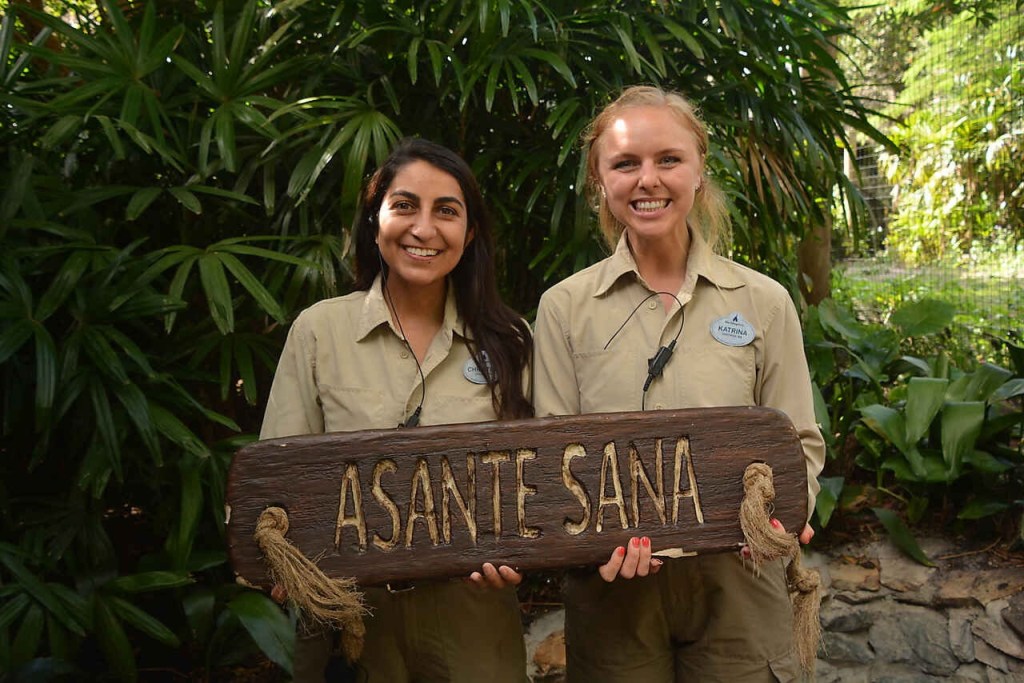
What made the trek memorable wasn’t one dramatic moment, but the progression: leaving the familiar path, clipping onto that first safety line, meeting the animals on their terms.
The photographs captured the animals.
What they don’t capture is the quiet exhale.
For a few hours, the world slowed down, the savanna opened up, and the horse girl felt right at home among creatures who move with power and purpose.
Perhaps that’s what horse girls carry with us long after we close the barn door: curiosity, resilience, respect for animals—and the willingness to follow the trail when it wanders somewhere unexpected.
The horses we meet join the ones who carried us before. Other animals widen the circle. The destinations change.
Somehow, the herd keeps growing.
Adventure doesn’t always require a saddle.
Sometimes it just requires a harness, a swaying bridge, and a savanna with attitude.
Part of the Horse Girls in the Wild series.

